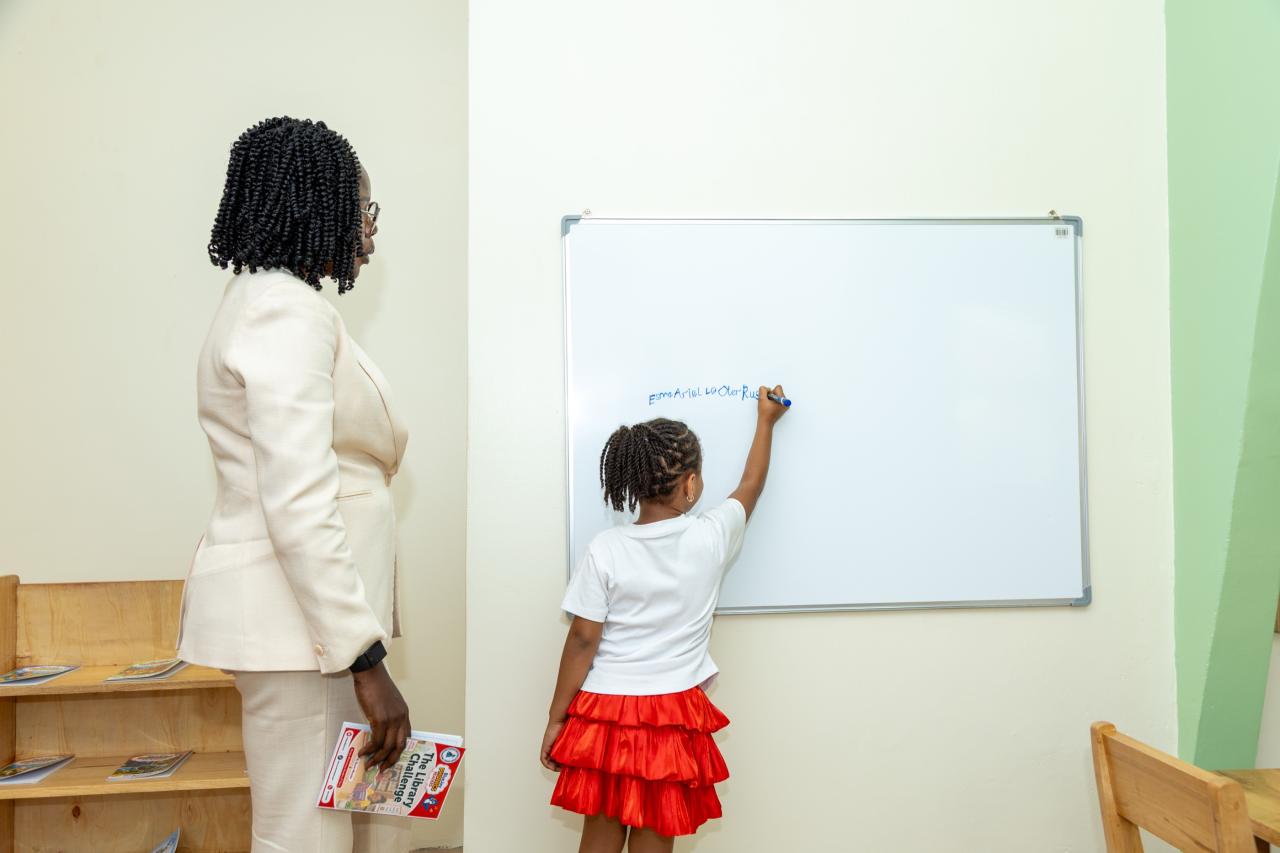
You may have seen that our programmes are based on the Cambridge curriculum. But what does that actually mean for a two- or four-year-old? Here is a simple guide.
An international framework for the early years
Cambridge Early Years is a curriculum framework for young children, used by schools in many countries. It sets out what children can learn and do at each stage, while leaving teachers free to plan around each child’s interests.
Six areas of learning
- Communication, language and literacy: talking, listening, stories and early writing.
- Creative expression: art, music, dance and imaginative play.
- Mathematics: numbers, shapes, patterns and measuring.
- Personal, social and emotional development: confidence, friendships and feelings.
- Physical development: moving, balancing and careful hand skills.
- Understanding the world: nature, science, people and places.

Learning through play
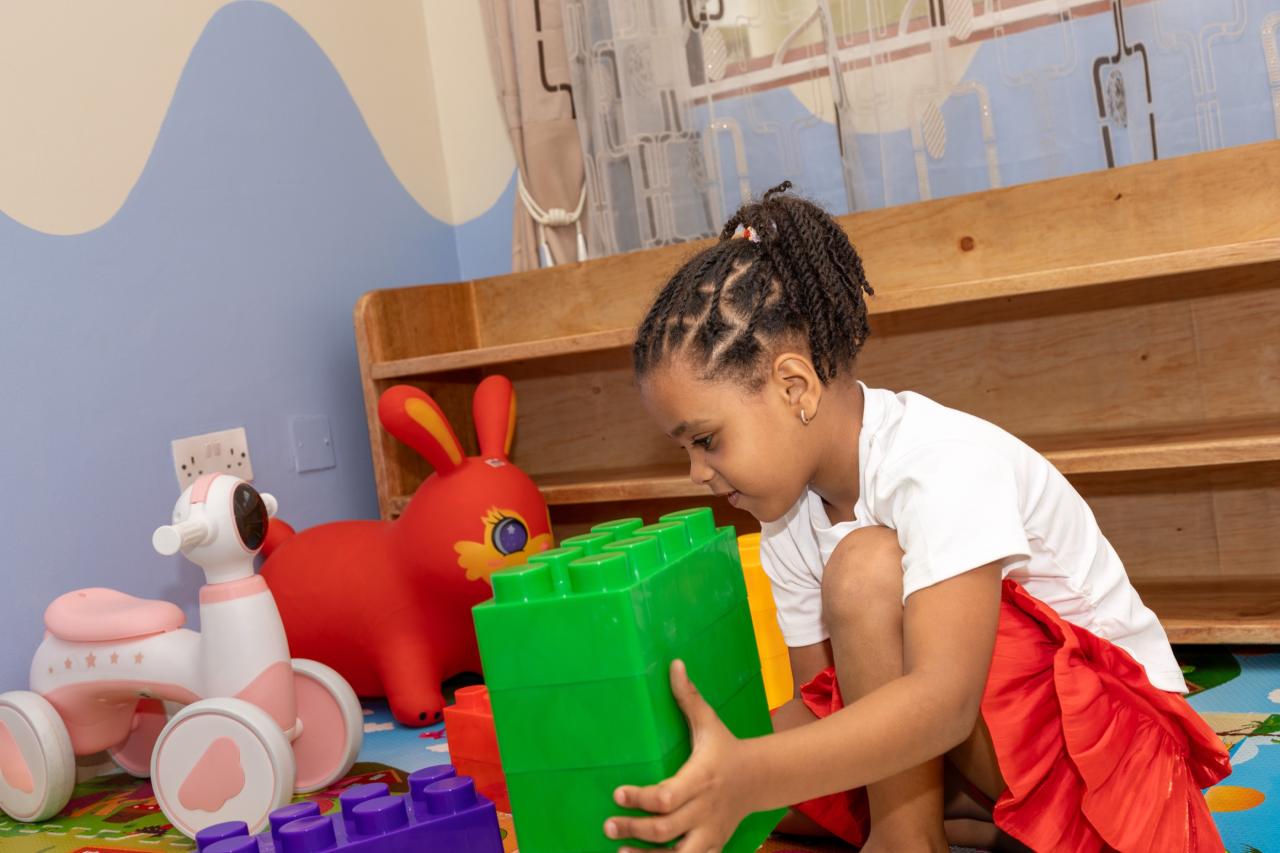
The framework puts play at the centre. Children learn by doing: building, pretending, exploring and talking. Teachers watch closely, notice what each child is ready for, and plan the next small step.
Children don’t need worksheets to learn. They need rich play, caring adults and time to explore.
What it means at Little Explorers
Every programme, from Playgroup to Kindergarten, follows this approach, so children grow steadily in confidence and are well prepared for primary school. See how it works for each age on our programmes page.
Written by the Little Explorers teamTeachers and carers at Little Explorers PreSchool & Childcare, Kungu, Najjera II, Wakiso.